


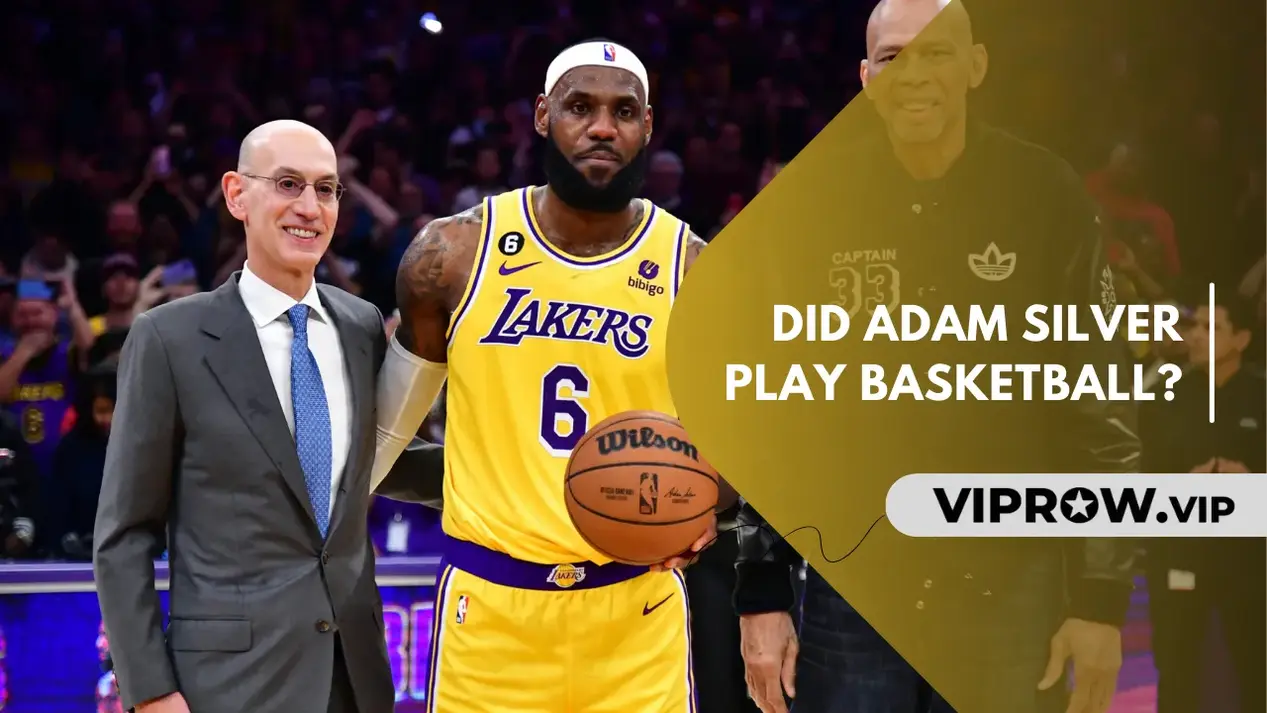
Did Adam Silver play basketball? No, NBA commissioner Adam Silver never played basketball competitively at the high school, college, or professional level.. The current commissioner of the National Basketball Association never suited up for organized basketball in high school or college, yet he has become arguably the most successful sports executive in modern history.
This might surprise many fans who wonder how someone without playing experience could lead the world’s premier basketball league. But Adam Silver’s journey proves that understanding the game doesn’t require playing it professionally.
Who Is Adam Silver and Why His Background Matters
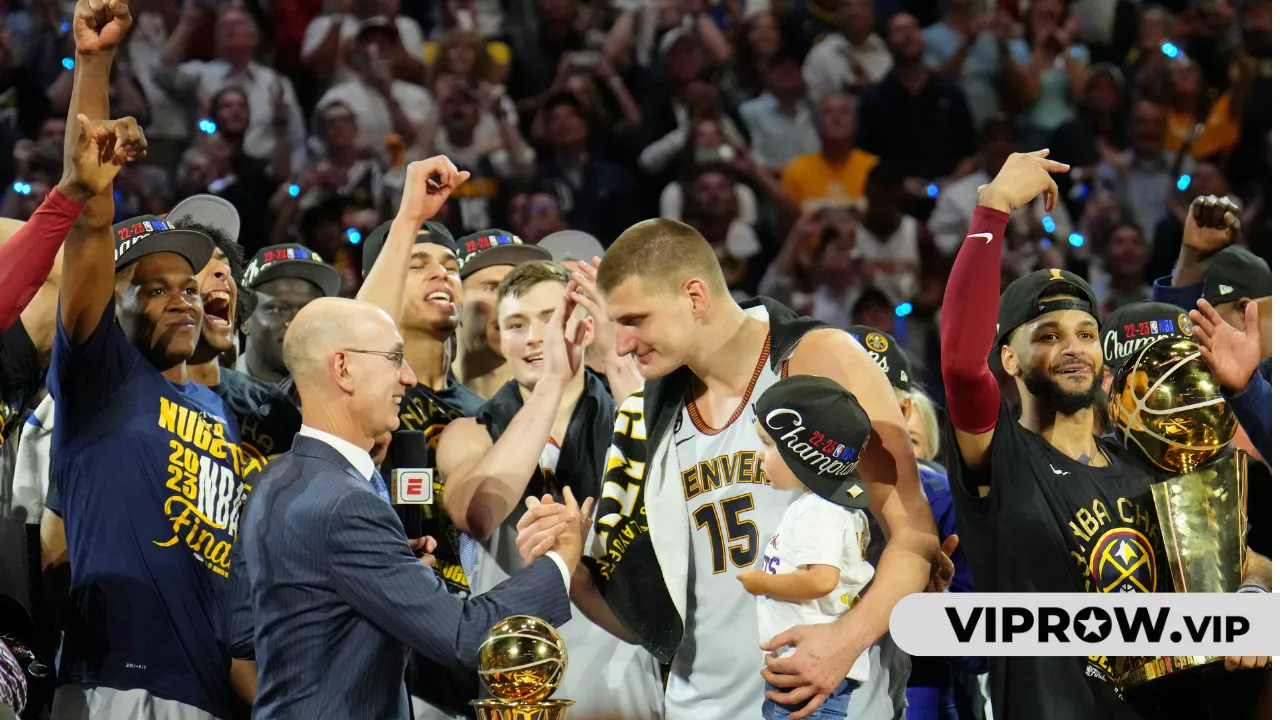
Adam Silver serves as the commissioner of the NBA, a position he has held since 2014. Born in Rye, New York, Silver was born into a family that valued education and business rather than athletics. His father, Edward Silver, was a successful lawyer who encouraged young Adam to pursue academics over sports.
The NBA commissioner role involves far more than just knowing basketball. The commissioner oversees:
- Business operations across global markets
- Collective bargaining agreements with players
- League expansion and franchise management
- Media deals worth billions of dollars
- Rule changes and competitive balance
Silver grew up watching basketball and developed a deep love for the game, but his path to leadership came through boardrooms rather than locker rooms. After graduating from Duke University with a degree in political science, he attended the University of Chicago Law School, where he earned his law degree in 1988.
Read more : Has Houston Won a National Championship in Basketball
Adam Silver’s Path From Law to Basketball Leadership
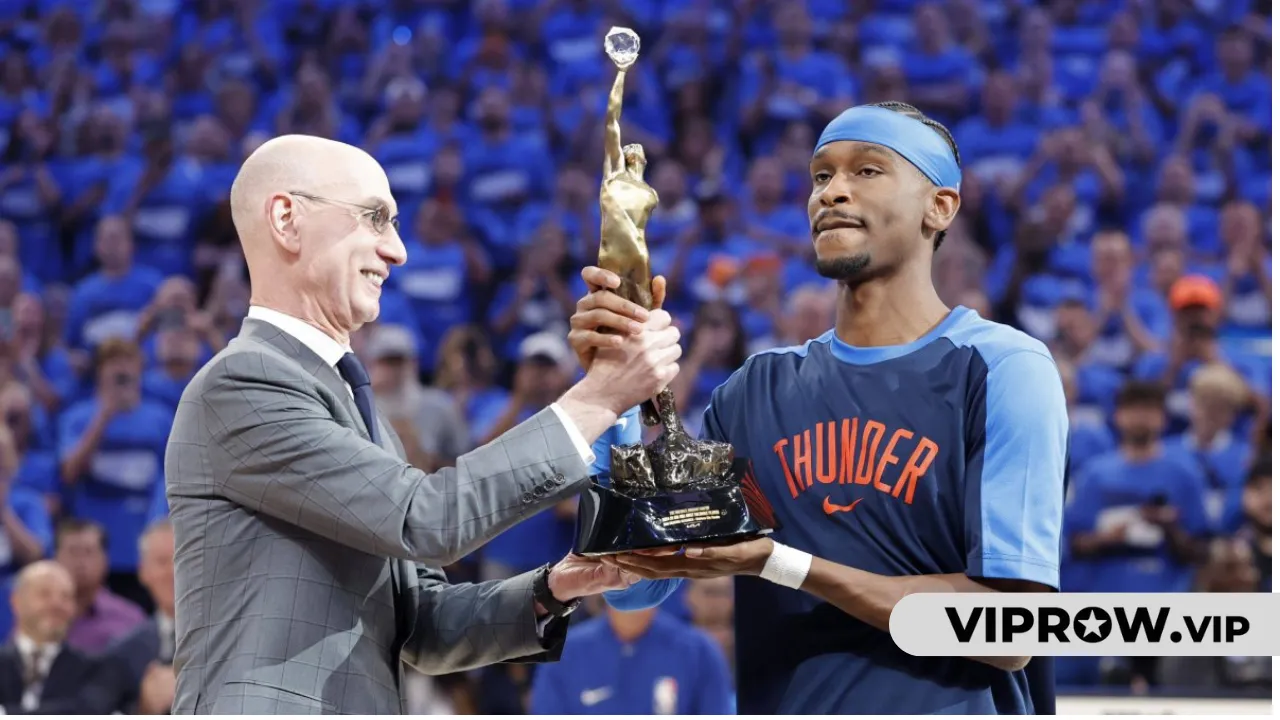
Before Adam Silver joined the NBA in 1992, he worked as a law clerk for Judge Kimba Wood in the U.S. District Court. This legal background would prove invaluable in his future role managing complex sports business negotiations.
Silver went to work for the league office as a special assistant to the then-commissioner David Stern. This marked the beginning of a remarkable 22-year climb through the organization. Silver worked closely with Stern, learning every aspect of league operations without ever needing to demonstrate ball-handling skills.
His career progression included several key positions:
| Year | Position | Major Achievements |
|---|---|---|
| 1992 | Special Assistant | Learned league operations under David Stern |
| 1997 | Chief of Staff | Managed day-to-day commissioner office duties |
| 2006 | Deputy Commissioner and Chief Operating Officer | Oversaw NBA Entertainment and business growth |
| 2008 | Chief Operating Officer of NBA Entertainment | Expanded global media presence |
| 2014 | NBA Commissioner | Became leader of the league |
Why Adam Silver Did Not Play Basketball Competitively
Unlike Michael Jordan or other basketball legends who transitioned to front office roles, Silver came from a completely different background. He attended Rye High School in New York, where he focused on academics rather than athletics. There are no public records of Silver participating in organized basketball at any level.
The truth is simple: Adam Silver play basketball recreationally like millions of fans, but he never pursued it competitively. This didn’t stop him from developing an comprehensive knowledge of the game through decades of immersion in league operations.
Although Adam Silver play basketball recreationally, he never pursued the sport in an organized or competitive setting.
How Silver Became the Most Respected Commissioner Without Playing
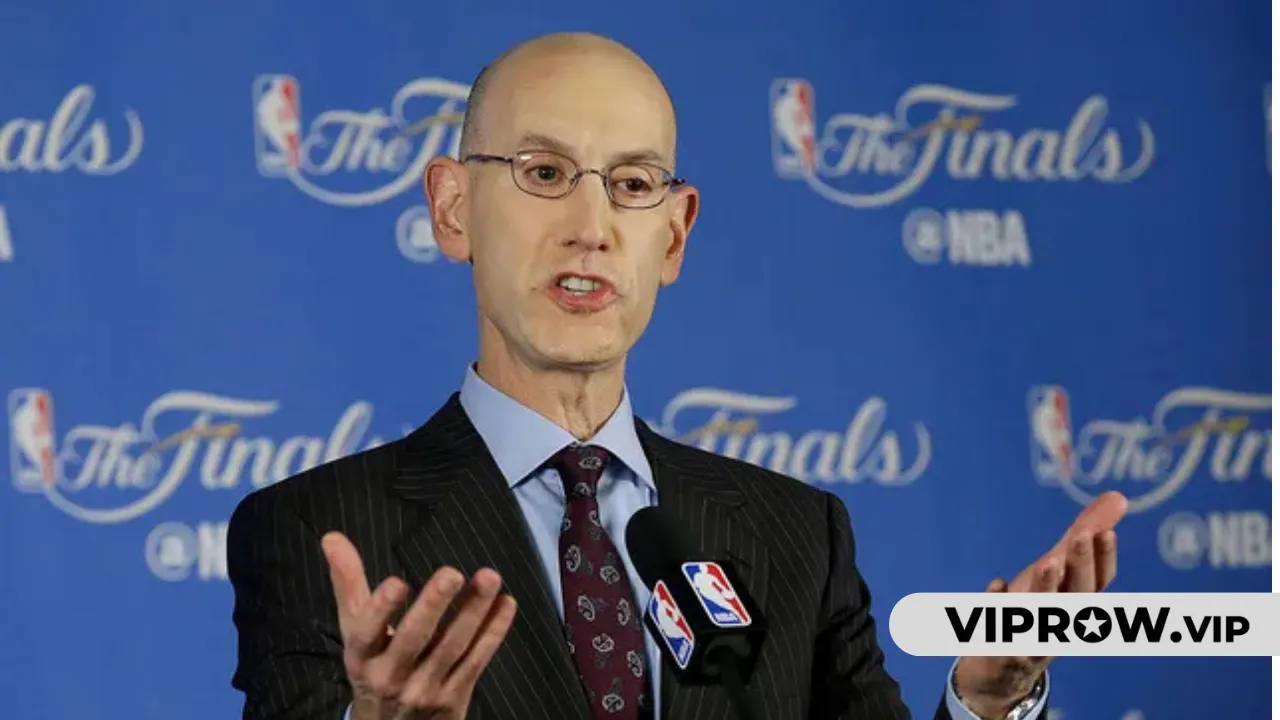
When Adam Silver became commissioner on February 1, 2014, he inherited a thriving league from Commissioner David Stern. However, he quickly proved that his lack of playing experience was irrelevant to his effectiveness as a leader.
Major decisions that defined his tenure:
- Banned Los Angeles Clippers owner Donald Sterling for life after racist comments surfaced in 2014, demonstrating moral courage
- Fined Sterling $2.5 million, the maximum penalty allowed
- Championed player empowerment, allowing stars more control over their careers
- Supported social justice initiatives, letting NBA players use their platforms for activism
- Legalized sports betting partnerships to generate new revenue streams
- Expanded globally with the creation of NBA China and Basketball Africa League
- Launched the NBA 2K League, pioneering esports integration
- Grew the WNBA and NBA G League to develop talent pipelines
Silver said in multiple interviews that his role requires business acumen, empathy, and vision—not jump shots. The NBA board of governors agreed, as they’ve consistently supported his leadership through transformative changes.
Comparing Silver to Previous NBA Commissioners
Did previous commissioners play basketball? Commissioner David Stern, who led the league from 1984 to 2014, also didn’t play professionally. Like Silver, Stern came from a legal background and built the NBA into a global entertainment powerhouse through business savvy rather than athletic credentials.
This pattern shows that running the National Basketball Association requires different skills than playing the game. The commissioner and chief operating officer positions demand expertise in:
- Contract negotiations and collective bargaining agreements
- Media rights deals (the current NBA TV contract is worth billions)
- International expansion strategies
- Crisis management and public relations
- Technology integration and innovation
Silver’s Business Achievements Without Playing Experience
Adam Silver joined the NBA in 1992 as the organization began its global expansion. As deputy commissioner and chief operating officer, he helped negotiate television contracts, establish NBA China, and modernize the league’s digital presence.
Recognition for his leadership includes:
- Named to Time’s 100 most influential people list
- Sports Business Journal’s Executive of the Year
- Fortune’s 50 most influential people in sports business
- Sports Business Journal’s Executive of the Decade
Silver also served on various board of trustees positions, bringing his expertise to organizations beyond basketball. His influence extends throughout professional sports, where he’s recognized as a progressive leader who prioritizes both profit and principle.
What Makes Silver an Effective Leader Despite Not Playing
NBA players respect Silver because he listens. Unlike commissioners who might lean on their playing credentials, Silver built credibility through transparency and genuine concern for player welfare. He transformed collective bargaining from confrontational battles into collaborative partnerships.
During the 2020 pandemic, Silver made the unprecedented decision to suspend the NBA season, prioritizing health over revenue. He then arrange the successful Orlando bubble, allowing the league to complete the NBA Finals safely. These decisions required leadership courage that had nothing to do with basketball skills.
Key leadership qualities that define Adam Silver’s tenure:
- Empathy: Understanding player perspectives without claiming to share their athletic experiences
- Innovation: Embracing technology from the NBA 2K League to advanced analytics
- Courage: Making difficult decisions like banning Donald Sterling despite potential backlash
- Vision: Expanding globally while maintaining the league’s cultural relevance
The Relationship Between Playing and Leading Basketball
Silver worked as deputy commissioner under David Stern for eight years, learning how business decisions impact basketball operations. He understood that growing the league required appealing to new audiences, not just basketball purists.
He oversaw NBA Entertainment, transforming how fans consume basketball globally. Silver became instrumental in deals that brought NBA games to international markets, understanding that the league’s future depended on global growth.
Silver’s Impact on Modern Basketball Culture
New commissioner Adam Silver inherited a healthy league in 2014, but he transformed it into something greater. He embraced player individuality, allowing stars to express themselves in ways previous eras discouraged. This cultural shift made the NBA the most progressive professional sports league.
The current commissioner of the national basketball association also expanded opportunities through the NBA Draft process, improving transparency and fairness. He supported rule changes that made NBA games more exciting while preserving competitive balance.
Why Silver’s Story Matters for Aspiring Leaders
Adam Silver’s success proves that passion and expertise can substitute for playing experience. Young professionals interested in sports business should study his career path: strong education, legal training, starting at entry-level positions, and decades of learning league operations.
His journey from special assistant to commissioner shows that understanding basketball culture, building relationships, and making smart business decisions matter more than athletic achievements. The sports business world needs diverse talent lawyers, marketers, technologists, and strategists, not just former players.
Conclusion
So, did Adam Silver play basketball? No, but this hasn’t prevented him from becoming one of the most influential people in professional basketball history. His legal training, business acumen, and genuine passion for the game proved more valuable than any playing career could have provided.
Silver’s legacy will be defined by how he expanded the league globally, empowered players, embraced social progress, and navigated unprecedented challenges. College basketball stars and NBA legends might know what it feels like to hit game-winning shots, but Silver knows how to build sustainable success for an entire league.
The next time someone questions whether leaders need playing experience, remember that the current commissioner of the national Basketball Association built his reputation through intelligence, empathy, and vision—proving that the best basketball minds don’t always come from the basketball court.
FAQs
Did Silver ever express regret about not playing basketball?
No. Silver has consistently emphasized that his passion for basketball doesn’t require personal playing experience.
Could someone who played professionally do Silver’s job better?
Playing experience helps understand players, but being NBA commissioner requires legal, business, and negotiation skills most athletes don’t have.
Does Silver’s background affect how players view him?
Players respect Silver for his transparency and support, not because he played basketball.
