


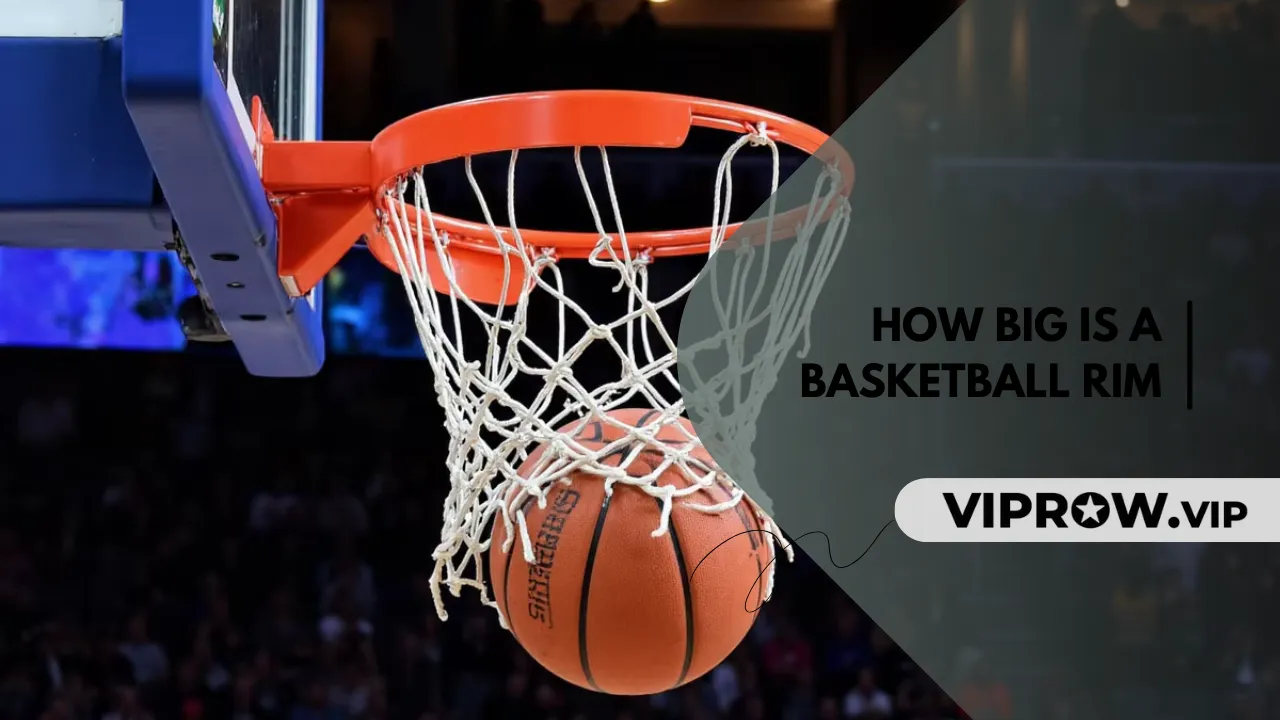
How Big Is a Basketball Rim? A regulation basketball rim measures 18 inches in diameter (45.72 cm), and this standard applies across all professional leagues including the NBA, FIBA, and college basketball. Whether you’re shooting hoops in your driveway or playing in Madison Square Garden, the rim size stays the same.
Understanding basketball hoop dimensions matters for everyone involved in the sport. Players need to know these measurements to perfect their shooting form. Coaches use this knowledge to develop better training programs. Parents shopping for a hoop set for their backyard want to replicate the authentic experience.
Official Rim Size and Diameter Explained
What Is the Standard Basketball Rim Size?
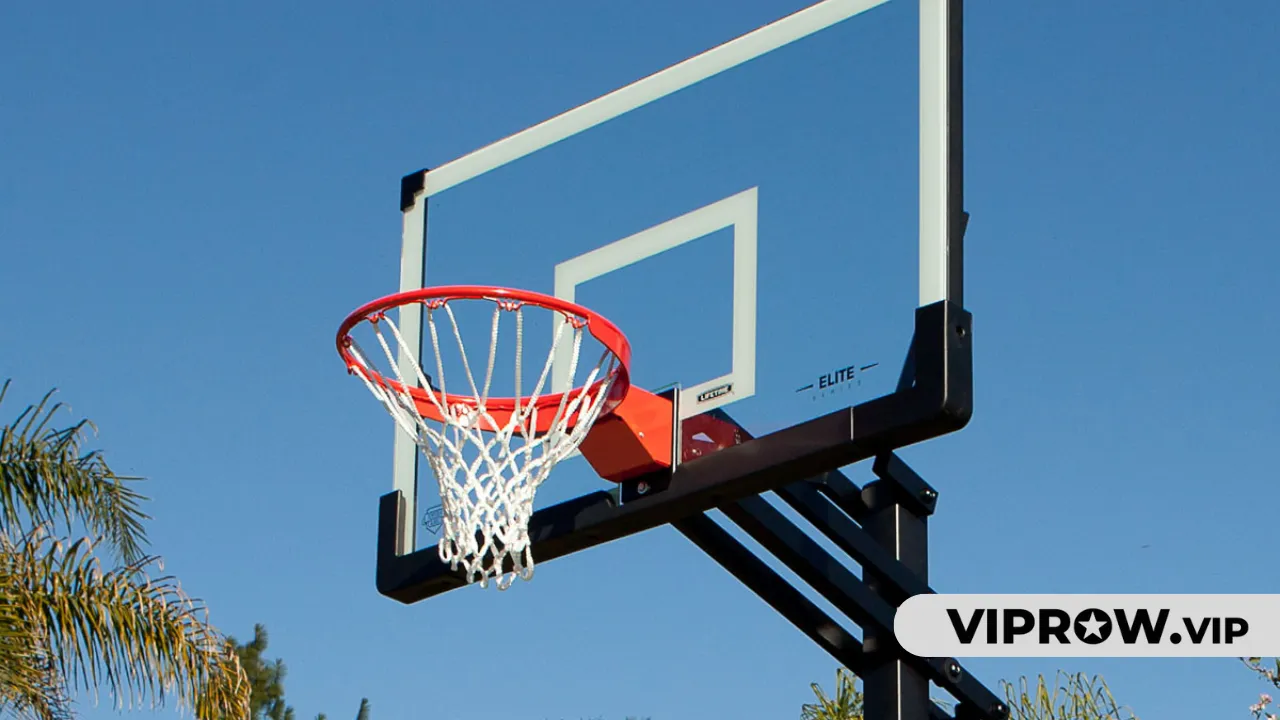
The standard rim for basketball measures exactly 18 inches across (45.72 cm). This measurement represents the inner diameter from one side to the other. The metal that forms the rim itself is typically made of solid steel with a thickness of about 5/8 inch, making it strong enough to withstand powerful dunks and constant play.
Every basketball hoop is 18 inches in diameter regardless of where you play. This universal standard was established decades ago and hasn’t changed. The rim connects to the backboard through a mounting bracket, typically positioned 6 inches from the backboard surface to the center of the rim.
| Rim Specification | Measurement |
|---|---|
| Inner Diameter | 18 inches (45.72 cm) |
| Metal Thickness | 5/8 inch |
| Distance from Backboard | 6 inches |
| Material | Solid Steel |
Basketball Size Compared to the Rim
A standard basketball (Size 7) used in men’s professional games measures approximately 9.43 inches in diameter of a basketball. When you compare the size of the basketball to the diameter of 18 inches of the rim, you’ll notice the hoop is nearly twice as wide as the ball itself.
This means theoretically, you could fit two basketballs side-by-side through the hoop simultaneously. In practice, this creates about 9 inches of clearance space, giving shooters a comfortable margin for error. This spacing is why skilled players can make shots even when the ball doesn’t enter the rim perfectly centered.
Rim Consistency Across Different Leagues
One of basketball’s great equalizers is rim uniformity. The National Basketball Association (NBA), International Basketball Federation (FIBA), NCAA (National Collegiate Athletic Association), and high school basketball all use rims with an 18 inches in diameter measurement.
Key points about rim standards:
- NBA basketball rims: 18 inches
- FIBA rims: 18 inches (also 45.72 cm)
- College basketball rims: 18 inches
- High school rims: 18 inches
- Youth league rims: Usually 18 inches
While the basketball hoop is 18 inches at every level, other elements like court size and basketball court dimensions may vary between professional and amateur play.
Read more : How to Get Better at Basketball: The Complete Guide to Becoming a Better Basketball Player
Basketball Hoop Height. Regulation Standards
The 10-Foot Standard
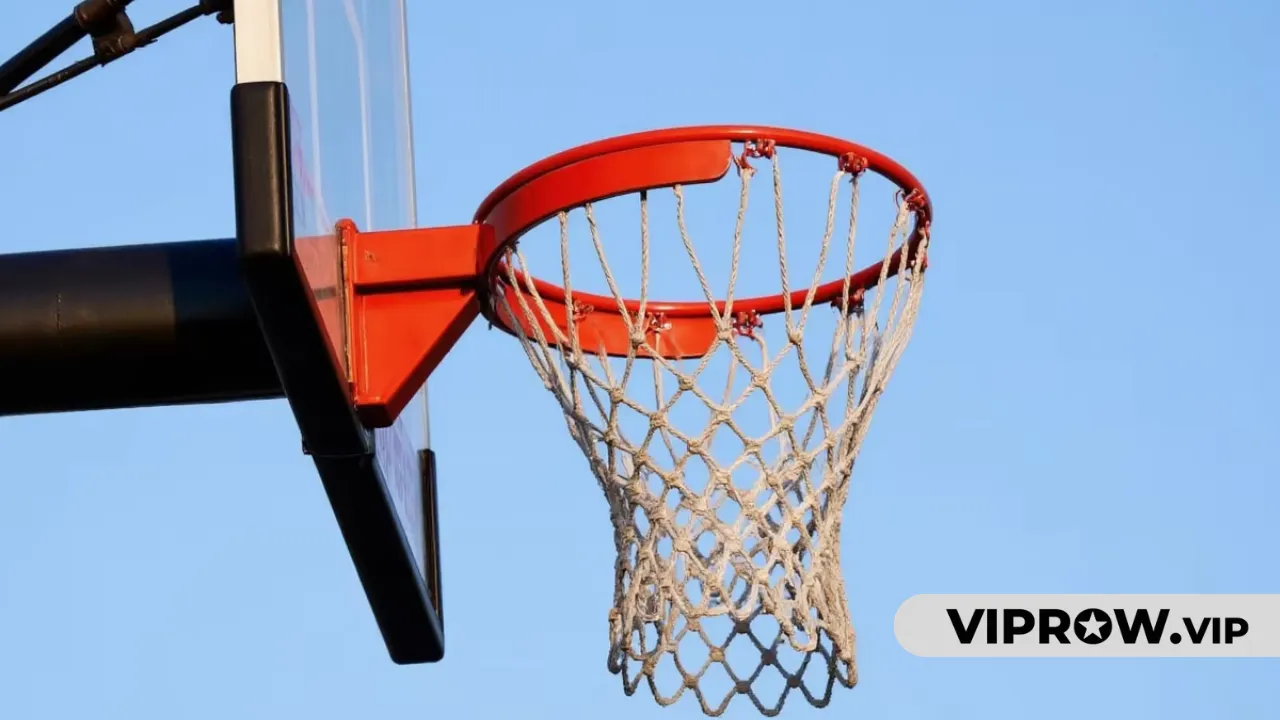
The regulation height for a basketball hoop is 10 feet (3.05 meters or 183 cm) from the floor to the top of the rim. This standard was established when basketball was invented in 1891 and has remained unchanged. Dr. James Naismith hung the first peach basket at this height simply because that’s where the gymnasium balcony railing was located at Springfield College.
The height is 10 feet in virtually every competitive setting. From the NBA to FIBA tournaments, from college games to most high school competitions, players face the same vertical challenge. This consistency allows players to develop muscle memory that translates across different courts and competitions.
Height Variations for Youth and Training
While professional and competitive basketball games maintain the 10-foot standard, younger players often benefit from modified heights:
- Ages 7-8: Rims set at 8 feet
- Ages 9-11: Rims at 9 feet
- Ages 12 and up: Full height is 10 feet
Modern adjustable basketball systems offer height adjustment features, allowing families to lower the rim for younger players and raise it as skills develop. These portable basketball hoops typically adjust in 6-inch increments, making it easy to customize the playing experience.
How Rim Height Affects Your Game
The 10-foot rim height significantly impacts both shooting and dunking. For shooting, players must generate enough arc to clear the rim while maintaining accuracy. The optimal shot trajectory typically peaks around 2-3 feet above the rim before descending through the net.
For dunking, most players need a vertical leap of at least 30-35 inches to dunk successfully on a regulation hoop. NBA players with exceptional athleticism can leap 40+ inches, allowing them to perform spectacular slam dunks. The standard hoop height creates those jaw-dropping moments when elite athletes seem to float toward the basket.
Basketball Hoop Components

Understanding the Terminology
People often use “rim,” “hoop,” and “basketball goal” interchangeably, but technically:
- Rim: The 18-inch metal ring where the ball enters
- Basketball nets: The nylon mesh attached below the rim
- Backboard: The rectangular surface behind the rim
- Basketball goal: The complete assembly including backboard, rim, net, and support structure
Backboard Dimensions
Professional basketball backboard specifications are standardized across major leagues. NBA and FIBA use backboards measuring 72 inches wide by 42 inches tall. The regulation backboard size provides ample surface area for bank shots while maintaining proportional aesthetics with the rim.
Backboard specifications:
| Level | Width | Height | Material |
|---|---|---|---|
| NBA/FIBA | 72 inches | 42 inches | Tempered Glass |
| High School | 72 inches | 42 inches | Glass/Acrylic |
| Youth/Residential | 44-60 inches | 30-36 inches | Polycarbonate/Acrylic |
The size of the backboard affects rebound angles and shooting options. Professional players use the rectangular target box above the rim for precise bank shots, a technique that’s easier with regulation-sized boards.
Backboard Materials
Backboard material significantly impacts ball response and durability:
Tempered glass is the gold standard used in NBA arenas and competitive facilities. It provides the truest bounce and most authentic playing experience, though it’s the most expensive option and primarily suitable for indoor basketball.
Acrylic backboards offer good performance at a moderate price point. They work well for both indoor basketball and outdoor basketball applications, providing decent rebound response while resisting weather damage.
Polycarbonate is the most affordable and durable option for residential use. While the ball response isn’t as true as glass, these boards withstand harsh weather conditions and accidental impacts, making them ideal for outdoor basketball courts and driveways.
NBA and FIBA Basketball Standards
NBA Specifications
The NBA maintains strict equipment standards. Every basketball court in the league measures 94 feet long by 50 feet wide. The rim is mounted exactly 4 feet from the baseline, creating consistent shooting distances from the end of the court. The NBA three-point line extends 23 feet 9 inches from the basket at its farthest point.
NBA backboard requirements include regulation 72-inch width, 42-inch height, and tempered glass construction. These standards ensure uniformity across all arenas, so players experience identical conditions whether they’re playing in Los Angeles or Miami.
International Basketball Standards
International basketball through FIBA uses slightly different basketball court dimensions. FIBA courts measure 91.86 feet by 49.21 feet, slightly smaller than NBA courts. However, the rim remains exactly 18 inches in diameter at a height of 10 feet, maintaining consistency in the most critical measurements.
College and High School Standards
The National Collegiate Athletic Association requires the same rim and hoop dimensions as professional basketball leagues. College courts match NBA dimensions at 94 feet by 50 feet. High school courts are slightly smaller at 84 feet by 50 feet, but the basketball hoop specifications remain identical, 18 inches wide at 10 feet high.
Why the 18-Inch Rim Matters
Shooting Accuracy and Margin for Error
The 18-inch diameter provides approximately 9 inches of clearance around a regulation basketball. This spacing creates what players call the “shooter’s margin”, enough room for slight imperfections in shot placement while still scoring. Elite shooters understand how to utilize this entire space, making it nearly impossible to defend them.
The regulation size also influences shooting technique development. Players learn optimal release points, arc heights, and follow-through mechanics based on this consistent target size. Change the hoop size, and you’d fundamentally alter how the game is played.
The Science Behind Scoring
Research shows that the ideal shooting angle to maximize scoring probability is between 45-52 degrees. This arc, combined with the diameter of 18 inches, creates the largest effective target area. Shots with lower arcs have less chance of success because the rim presents a smaller circular target when viewed from a flat angle.
Bank shots off the backboard utilize both the rim dimensions and backboard dimensions to create multiple scoring paths. The rectangular target box on the backboard is positioned specifically to help players calculate angles relative to the 18-inch opening below.
Choosing the Right Basketball Hoop for Home Use
Matching Equipment to Your Needs
When selecting a portable basketball system for home use, prioritize these factors:
- Regulation size: Ensure the rim is 18 inches with height adjustment capability
- Backboard quality: Larger hoop backboards (54-72 inches) provide better rebound performance
- Stability: Heavier bases prevent tipping during aggressive play
- Adjustment mechanism: Look for smooth height adjustment systems
Conclusion
A basketball rim measures 18 inches in diameter at a regulation height of 10 feet, standards that unite players across all levels of play from recreational games to the NBA. These dimensions haven’t changed since basketball’s invention because they create the perfect balance between challenge and achievability. Whether you’re installing a hoop set in your driveway or stepping onto a professional basketball court, you’ll face the same 18-inch target.
The next time someone asks “How Big Is a Basketball Rim?”, you’ll know it’s not just about 18 inches.
FAQs
How big is a basketball rim in inches?
A regulation basketball rim is 18 inches in diameter (measured inside the hoop), used in the NBA, FIBA, college, and high school levels of play.
Is the basketball rim size different in the NBA and FIBA?
No, both the NBA and FIBA use the same 18-inch regulation basketball rim and 10 feet hoop height.
How much bigger is the rim than a standard basketball?
A standard Size 7 basketball has a diameter of about 9.5 inches, leaving several inches of space inside the 18-inch rim for successful shots.
