


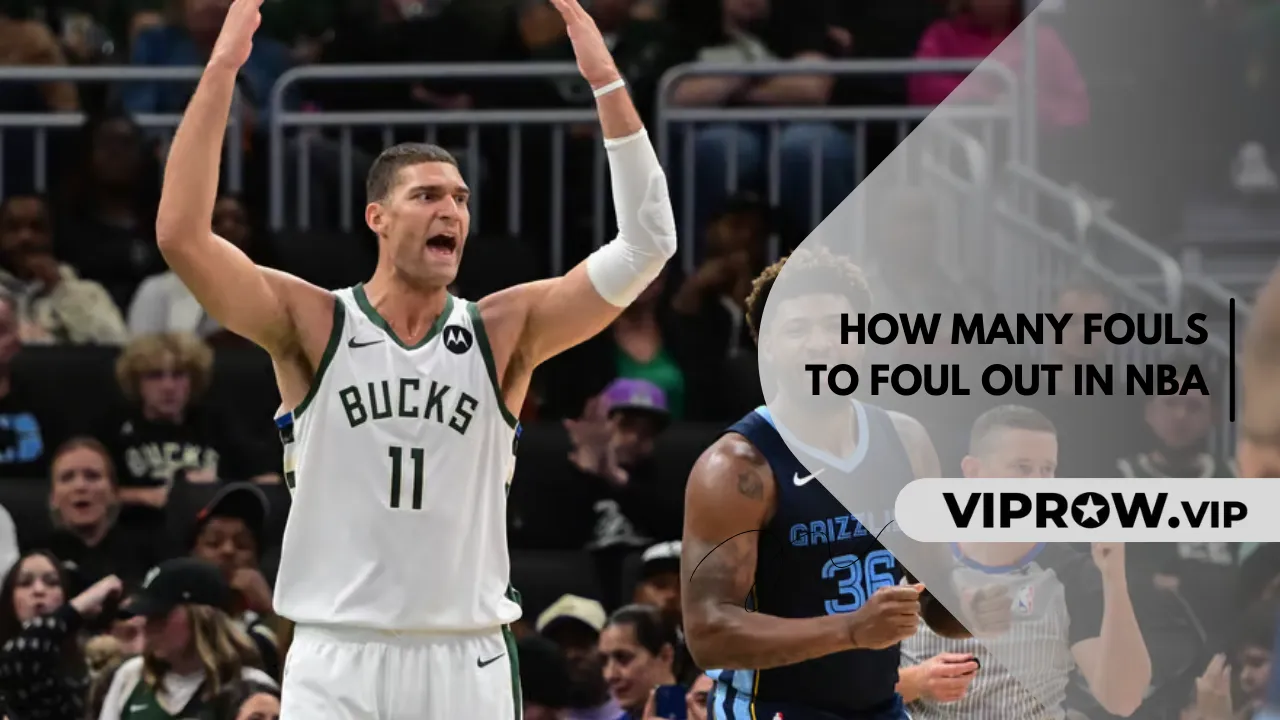
A player fouls out after accumulating six personal fouls in the NBA , and once that sixth foul is called, they are immediately removed from the game with no exceptions.
If you’ve ever watched an NBA game and wondered how many fouls to foul out in NBA basketball, the answer is six. This is one of the most important foul rules to know, whether you’re a new fan or someone who wants to understand strategy at a deeper level. This guide covers every type of foul, what counts toward fouling out, and how fouls and penalties shape the game.
How Many Fouls to Foul Out in NBA, Every Type of Foul in the NBA
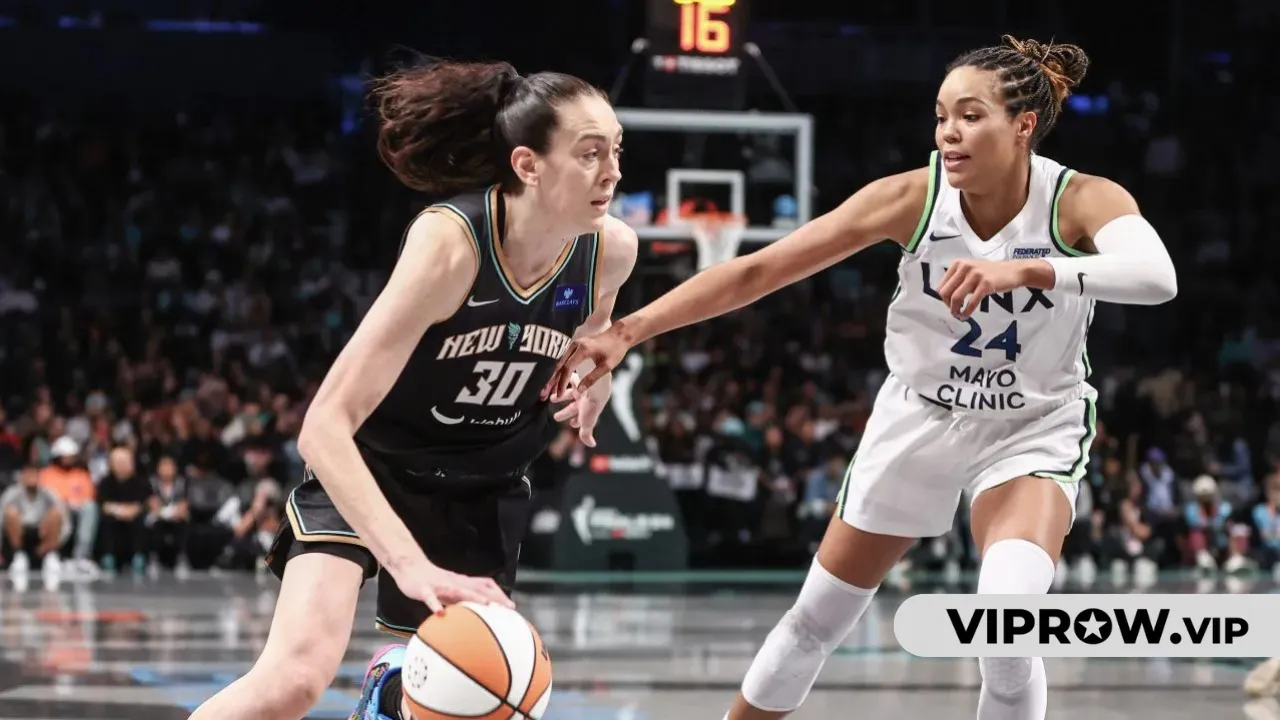
The NBA has several distinct foul categories, and not all of them work the same way. Knowing the difference matters because it affects free throw situations, ejection risk, and team strategy.
Personal Foul
A personal foul is the most common call in basketball. It involves illegal contact with an opponent , blocking, holding, pushing, or reaching in. Every time a player is charged with a personal foul, it goes on their individual count. Six personal fouls and they’re done for the night.
Personal fouls are split into two sides:
- Defensive foul , called on the defender for making illegal contact with the offensive player
- Offensive fouls , called on the ball-handler or offensive player for initiating contact (like a charging foul)
Offensive fouls don’t result in free throws for the opposing team, but they do count toward a player’s foul total.
Shooting Foul
A shooting foul happens when a defender makes illegal contact with a player during a free throw attempt. The result is two free throws, or three if the shot was from beyond the arc. If the offensive player makes the basket despite the foul, they get one free throw , the famous “and-one.” Shooting fouls are among the most costly contact fouls for defenders.
Technical Foul
A technical foul is assessed for unsportsmanlike conduct, arguing with officials, delay of game, or behavior considered detrimental to the game. Here’s the key distinction: a technical foul does not count toward a player’s personal foul total for fouling out.
However, if two technical fouls are called on the same player in one game , a double technical foul situation , that player faces ejection from the game. The opponent shoots one free throw and retains possession of the ball.
There are also two types: an unsportsmanlike technical foul (behavior-related) and a non-unsportsmanlike technical foul (procedural violations like too many players on the court). When a technical foul is assessed, the referee reports it and the opposing team shoots one free throw.
A technical foul will be assessed immediately for certain violations, and repeated offenses can be reported to the league office, where the player can be game and fined or face suspension.
Flagrant Foul
A flagrant foul involves unnecessary and excessive contact. There are two levels:
| Type | Description | Consequence |
|---|---|---|
| Flagrant 1 | Hard contact, not excessive | Two free throws + possession |
| Flagrant 2 | Violent or intentional contact | Automatic ejection |
A Flagrant 2 results in immediate ejection from the game, plus the team is awarded two free throws and possession. Flagrant fouls are reviewed by the league office and can lead to suspensions. They differ from a standard personal foul because they involve contact judged as unnecessary , even if a foul occurs in a basketball context.
Team Foul and the Bonus
A team foul is charged to the team committing the foul. Once a team reaches four fouls in a quarter, the opposing team enters the bonus , meaning every subsequent defensive foul sends the shooter to the free throw line, even on common fouls.
In the last two minutes of a quarter, the bonus applies after just one team foul. When the team is in the bonus, fouls result in automatic free throws regardless of the situation.
What Counts Toward Fouling Out?
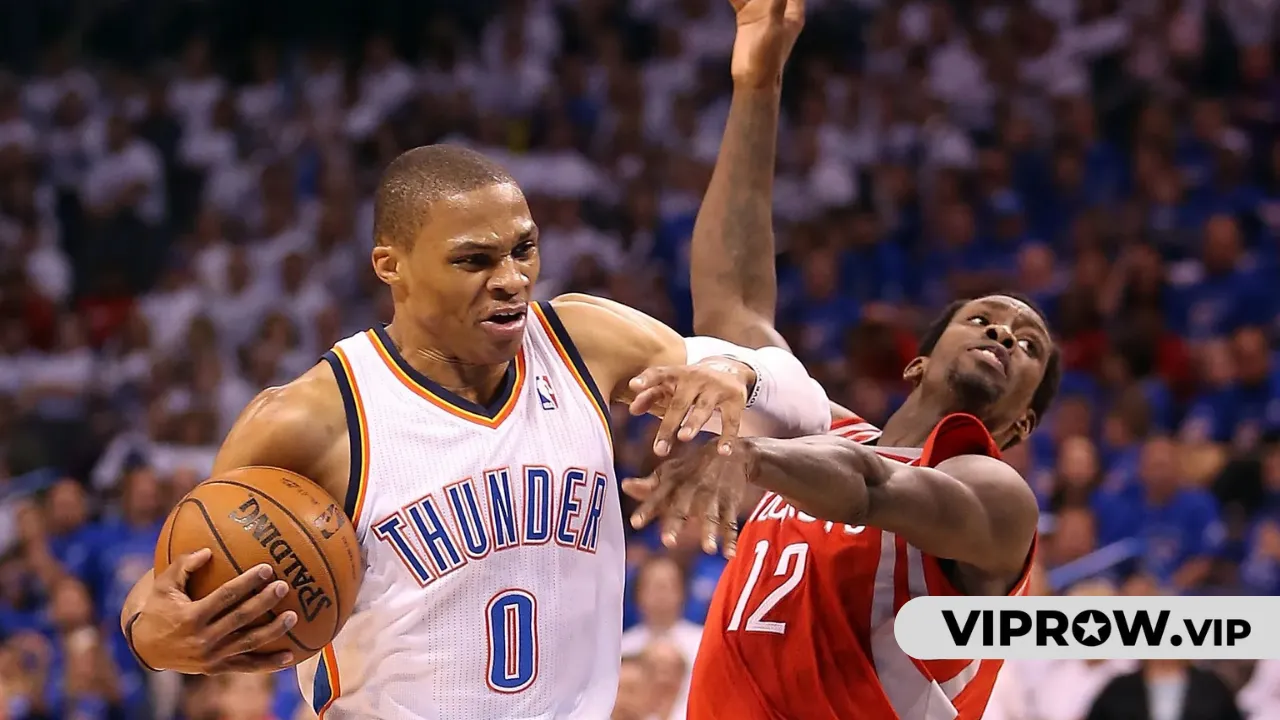
Only personal fouls count toward the six-foul limit. Here’s a quick breakdown:
- (yes) Personal foul (defensive or offensive)
- (yes) Shooting foul
- (yes) Flagrant 1 (counts as a personal foul)
- (no) Technical foul (separate tracking)
- (no) Double foul (both players are charged with a personal foul, but no free throws)
A double foul occurs when two players foul each other simultaneously. Both are charged with a personal foul or violation, but play resumes without free throws.
What Happens When a Player Fouls Out?
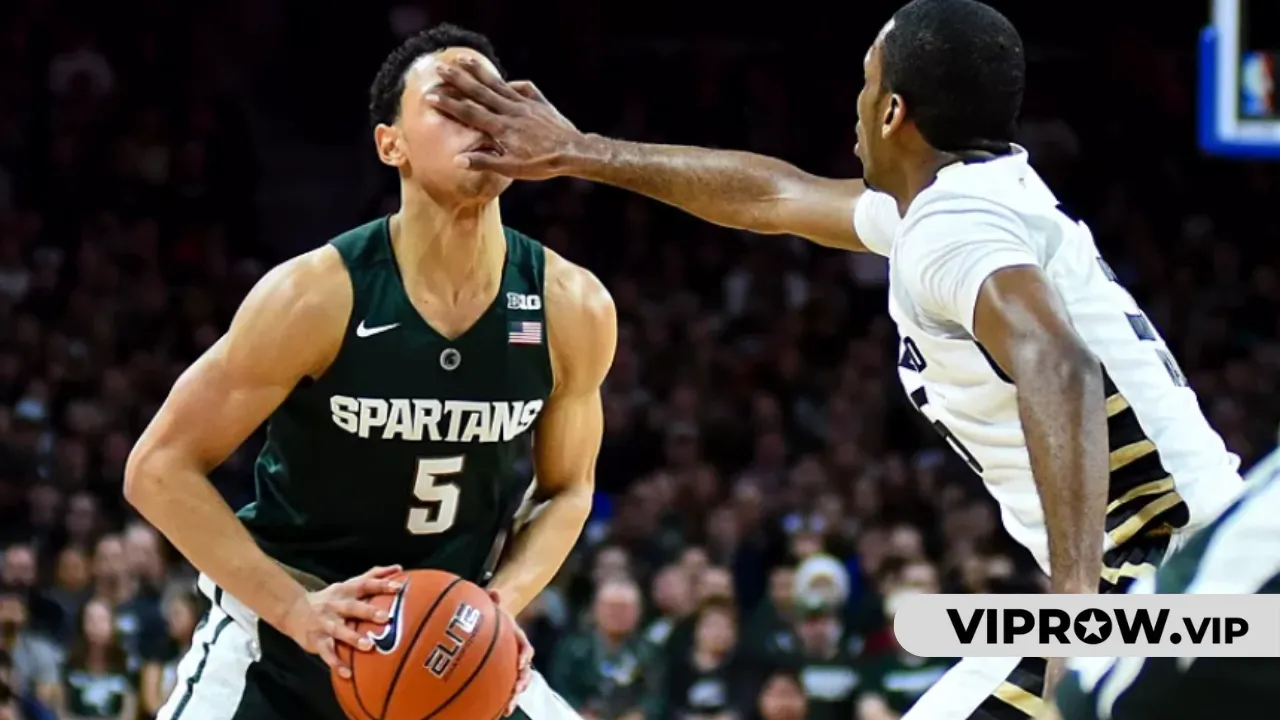
The moment a player picks up their sixth foul, they are immediately removed from the game. The coach must substitute another player within 30 seconds. The scorekeeper notifies the officials, and the player must leave the court.
Is fouling out the same as ejection? Not exactly. Fouling out is automatic after six personal fouls , it’s a foul penalty built into NBA rules. An ejection is disciplinary and can happen for two technical fouls, a Flagrant 2, or extreme unsportsmanlike behavior.
In extremely rare cases , such as deep into overtime when a team has no eligible players in the game , the NBA has special rules to handle depleted rosters, though this almost never happens in practice.
Read more : How Many Quarters in Basketball? Full Guide to Game Length, Halves and League Differences
Fouls in the NBA Playoffs
The foul limit does not change in the NBA playoffs. Players still foul out after six personal fouls in a playoff game, just as in any regular season game.
What does change is how fouls are called. Playoff basketball tends to be more physical, and referees often allow more contact before calling a foul. This makes foul trouble even more dangerous for star players because they may be benched by coaches even with four fouls , known as being in “foul trouble.”
Historical impact: In NBA history, several playoff series have been decided by key players sitting with foul trouble. Coaches face a tough choice: keep stars in and risk fouling out, or bench them and lose momentum.
Foul Trouble and Strategy
Foul trouble means a player has accumulated two fouls early, or four fouls before the fourth quarter. Coaches typically bench these players temporarily to protect them.
When players approach fouls to foul out territory, teams make several adjustments:
- Switch defensive assignments to avoid the foul-prone player guarding a dominant scorer
- Use a take to foul strategy in the final minutes to stop the clock
- Adjust help defense rotations so the player in trouble doesn’t face direct confrontations
The “take to foul” tactic is intentional fouling , often sending a poor free throw shooter to the line. Teams use this in the final two minutes to extend the game when trailing.
NBA Foul Rules vs Other Leagues
| League | Fouls to Foul Out |
|---|---|
| NBA | 6 |
| NCAA (College) | 5 |
| FIBA / International | 5 |
| NBA and WNBA | 6 |
The NBA allows six fouls to account for the longer game and the league’s emphasis on keeping star player fouls manageable. College basketball sends players out after just five fouls in a regular season game format that’s already shorter.
Conclusion
To sum it all up: six personal fouls and a player is done , ejected from the game for the night. Technical foul accumulation (two technical fouls) is a separate path to removal. A Flagrant 2 triggers instant ejection regardless of personal foul count.
Understanding fouls and the foul limit isn’t just trivia , it shapes rotations, game plans, and outcomes in every single game. Whether you’re watching a regular season game or a tense playoff game in the fourth quarter, foul management is one of the most critical and underappreciated parts of NBA basketball.
FAQs
Do fouls reset in overtime?
No. Personal fouls carry over into overtime.
Can a player stay after 6 fouls?
No. Six personal fouls means automatic removal. There is no appeal or exception under standard NBA rules.
How many fouls are allowed per quarter?
Individual players can pick up as many fouls as they accumulate, but teams are limited before the bonus kicks in. Fouls in the first quarter count toward team totals , four team fouls per quarter triggers the bonus.
What’s a charging foul?
A charging foul is an offensive foul where the ball-handler runs into a set defender. The offensive player is charged with a personal foul or violation, and the defending team gets possession of the ball.
