



How many halves in basketball? The answer depends on the league: NCAA college basketball uses 2 halves, while the NBA, WNBA, FIBA, and high school basketball all use four quarters. Not every basketball game is structured the same way, and knowing the difference makes you a much smarter fan.
How many halves in basketball? The Basic Answer: Halves vs Quarters
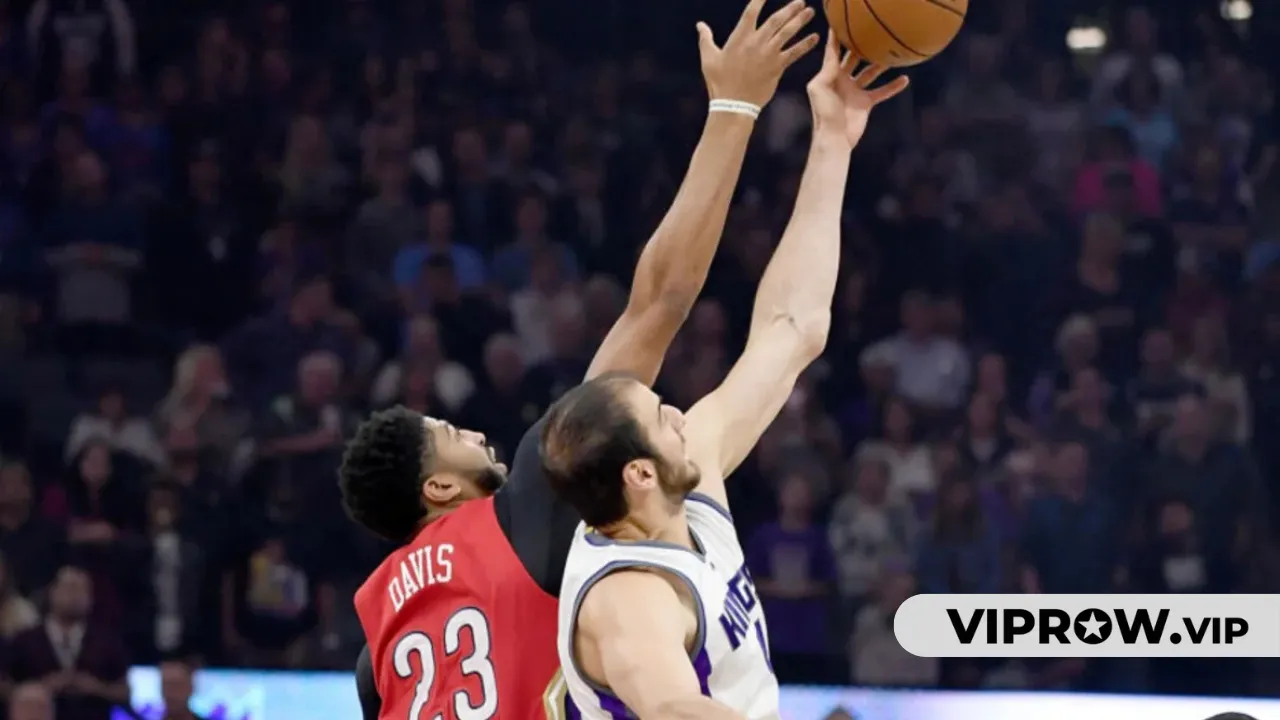
A half in basketball is one of two equal segments that divide a game. Between these two halves sits halftime , a break where basketball coaches make adjustments and players rest. In a halves-based format, the game is split into two equal parts with no additional breaks inside each half except timeouts and stoppages.
A quarter, on the other hand, divides the game into four parts. Two quarters equal one half , so the first and second quarters make up the first half, and the third and fourth quarters make up the second half. This is how broadcasters and basketball fans still use the word “half” even when watching an NBA game played in four quarters.
College Basketball: Two 20-Minute Halves

NCAA basketball is the most well-known format that uses halves. A college basketball game consists of two 20-minute halves, making the total regulation time 40 minutes.
Why Does the NCAA Use Two Halves?
The NCAA originally structured men’s college basketball this way to keep the game flowing without too many breaks. Fewer stoppages mean longer stretches of continuous play, which changes strategy significantly.
Key features of the NCAA halves format:
- Each half is 20 minutes of game clock time
- Halftime lasts about 15 minutes
- Fouls reset at halftime , a player can have 4 fouls entering the second half
- The team foul bonus kicks in after 7 fouls per half , the opposing team shoots one free throw (and one more if made), then after 10 fouls, they shoot two free throws (the “double bonus”)
- Each team gets 4 timeouts per game (with specific rules per half)
Men’s and Women’s College Basketball

There is an important distinction here. Men’s college basketball (NCAA men’s basketball) uses two halves. However, NCAA women’s basketball uses four 10-minute quarters , the same format as FIBA. This means men’s and women’s college basketball are actually structured differently from each other.
Men’s NCAA basketball: 2 halves × 20 min = 40 min
NCAA women’s basketball: 4 quarters × 10 min = 40 min
This difference came after the NCAA Playing Rules Oversight Panel and the basketball rules committee approved the change for women’s basketball, with the playing rules oversight panel citing better foul management and game flow as key reasons.
The Quarters vs Halves Debate in College Basketball
The debate around switch to quarters in men’s NCAA basketball has come up many times. Critics of the halves system argue that moving to quarters would improve foul management and reduce the dramatic swings in momentum that come from a single 20-minute run. Supporters say playing two halves creates more intense, high-stakes stretches of play.
The NCAA changed the women’s game to quarters in 2015-16, but men’s NCAA has kept two halves. Whether quarters would improve the men’s game remains an ongoing discussion among basketball coaches, players, and basketball fans.
Read more : How Many Quarters in Basketball? Full Guide to Game Length, Halves and League Differences
NBA and WNBA: Four Quarters
The national basketball association , the NBA , uses four quarters of 12 minutes each, totaling 48 minutes of regulation play. These are called four 12-minute quarters, and this format has defined professional basketball at the highest level for decades.
The NBA and WNBA both use quarters, though with slightly different lengths. The WNBA (Women’s Basketball Association) uses 10-minute quarters, the same as FIBA international rules.
| League | Format | Quarter/Half Length | Total Time |
|---|---|---|---|
| NBA | 4 quarters | 12 minutes each | 48 min |
| WNBA | 4 quarters | 10 min each | 40 min |
| NCAA Men’s | 2 halves | 20 min each | 40 min |
| NCAA Women’s | 4 quarters | 10 min each | 40 min |
| High School | 4 quarters | 8 min each | 32 min |
| FIBA | 4 quarters | 10 min each | 40 min |
Why Does the NBA Use 12-Minute Quarters?
The NBA chose 12-minute quarters (four quarters of 12 minutes) largely for entertainment and commercial reasons. Longer quarters mean more game time, more scoring, and more commercial breaks , all of which benefit the business of the basketball league. The NBA game experience is built around this rhythm of four distinct segments with three breaks.
High School Basketball
High school basketball uses 4 quarters, typically 8 minutes long each, for a total of 32 minutes. This format follows the model of professional and college sports more broadly, giving younger players more frequent breaks and making foul and timeout management more straightforward.
International Basketball: FIBA
The International Basketball Federation (FIBA) governs international basketball worldwide. FIBA uses four 10-minute quarters, making the total game time 40 minutes. The game is divided into four quarters with short breaks between them and a longer halftime after the second quarter.
This format is used in the Olympics, World Cups, and leagues like EuroLeague. Many players who move between NBA and NCAA basketball and international play must adjust to different quarter lengths and slightly different basketball rules.
Foul Rules Across Halves and Quarters
Fouls work differently depending on the format:
- NCAA (halves): Team fouls reset each half. Bonus (one free throw + one) starts at 7 team fouls; double bonus (two free throws) at 10. This means foul strategy is heavily tied to which half you are in.
- NBA (quarters): Team fouls reset each quarter. After 5 team fouls per quarter, the opposing team shoots two free throws on every foul. This makes late-quarter fouling a very specific tactical tool.
- FIBA: Similar to NBA , fouls reset per quarter with a bonus after 4 team fouls.
The foul system is one of the biggest practical differences between playing in a halves-based or quarters-based league.
Overtime
When regulation ends in a tie, an overtime period is added. In NCAA basketball (two halves), overtime periods are 5 minutes each. In the NBA (four quarters), overtime is also 5 minutes. Multiple overtime periods are played until a winner emerges. Basketball tournaments like the NCAA Tournament and March Madness follow these same overtime rules.
Quick Reference: Halves in Basketball at Every Level
- NBA: 4 quarters (12 min) , no halves officially, but informally split into two
- NCAA Men’s: 2 halves (20 min each) , the only major format still using two halves
- NCAA Women’s / WNBA / FIBA: 4 quarters (10 min each)
- High School: 4 quarters (8 min each)
- Youth/Rec leagues: Often two 15-minute halves for shorter, more manageable games
The game of basketball , as James Naismith created the game , was originally played in two halves. Over time, most levels of basketball play have moved toward quarters, with men’s college basketball being the most prominent holdout using the original halves format.
Conclusion
Understanding how many halves are in a basketball game , and how that changes depending on the league , gives you a much richer appreciation for the sport. The flow of the game, foul strategy, timeout usage, and even how basketball players approach their energy all shift based on whether games are played in halves or quarters. Whether you’re watching March Madness or an NBA playoff game, knowing the structure behind what you’re seeing makes every possession count even more.
FAQs
How many halves are in an NBA game?
The NBA uses four quarters of 12 minutes each, but the game is still informally split into two halves.
How many halves are in a college basketball game?
A men’s college basketball game has 2 halves, each 20 minutes long, totaling 40 minutes of regulation play.
Did the NCAA change from quarters to halves?
The NCAA changed the women’s game to four quarters in 2015-16, but men’s college basketball still uses two halves today.
What happens if a game is tied at the end of two halves?
The game goes to a 5-minute overtime period, with additional periods played until one team wins.
