


How to Get Better at Basketball starts with mastering the fundamentals, practicing consistently, and developing both physical skills and mental toughness through structured training. Whether you’re a beginner or intermediate player, improving requires dedication to basic skills like dribbling, shooting, defense, and developing strong footwork.
Getting better at basketball isn’t about overnight success, it’s about showing up every day and working on specific areas of your game. This guide will walk you through everything you need to know to become a better basketball player, from essential drills to mental preparation.
Master the Fundamentals of Basketball First
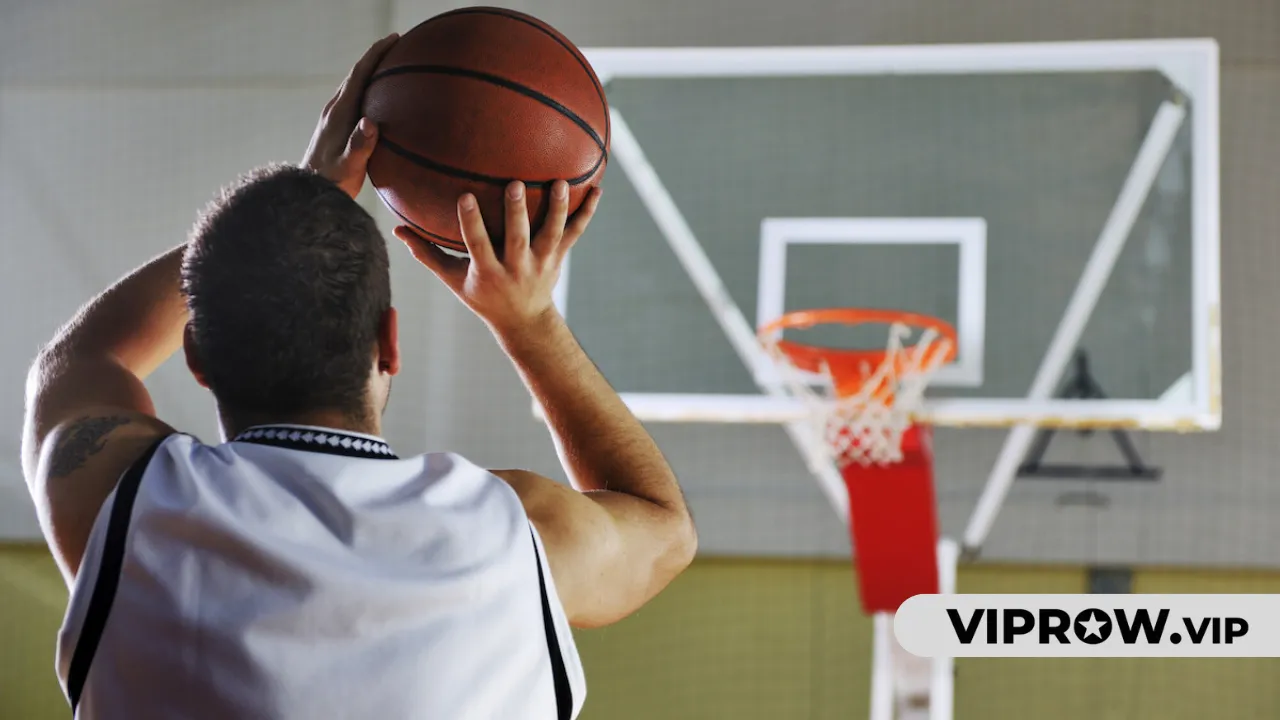
Every great basketball player starts with solid fundamentals. You can’t skip this step if you want real improvement. The fundamentals of basketball include passing, dribble control, shooting form, defensive stance, and positioning.
Think of fundamentals as your foundation. Without them, everything else falls apart. NBA stars like Stephen Curry and LeBron James still practice basic drills every single day. That’s how they stay at the top.
Core Skills Every Player Must Develop
Here are the essential basketball skills you need to focus on:
- Ball handling: Being able to dribble under pressure
- Coordination: Making your body and the ball work together
- Balance: Staying stable during quick movements
- Timing: Knowing when to make your move
- Reaction speed: Responding quickly to defenders and teammates
These skills don’t develop overnight. You need to practice them repeatedly until they become second nature.
Read more : How Big Is a Basketball Hoop? Official Basketball Hoop Size and Backboard Dimensions Explained
Daily Fundamental Routine
Start every practice session with these basic drills:
| Drill Type | Duration | Focus Area |
|---|---|---|
| Form shooting | 10 minutes | Shooting accuracy near the basket |
| Stationary dribble | 10 minutes | Ball control with both hands |
| Basic passing | 10 minutes | Chest and bounce passes |
| Layups | 10 minutes | Finishing at the rim |
This 40-minute routine builds the foundation for everything else you’ll do on the court.
Create a Structured Basketball Training Plan

Random practice won’t improve your game. You need a clear basketball training plan that targets specific areas.
How Often Should You Practice?
Most players should practice 3-5 times per week minimum. Here’s a realistic weekly schedule:
- Monday: Dribbling drills and ball handling
- Tuesday: Shooting drill practice
- Wednesday: Defense drills and footwork
- Thursday: Conditioning training drills
- Friday: Full scrimmage or game situations
- Saturday: Strength training and recovery
- Sunday: Rest or light shooting
Quality matters more than quantity. One focused hour is better than three hours of unfocused practice.
Essential Training Drills
These training drills will accelerate your progress:
- Full-court dribbling: Build stamina while maintaining control of the ball
- Cone drills: Improve change of direction and agility drills
- Defensive slide drill: Strengthen lateral movement as a defensive player
- Sprint intervals: Maintain energy throughout the game
Always practice at game speed. Slow practice creates slow habits.
Master Dribbling Like a Pro
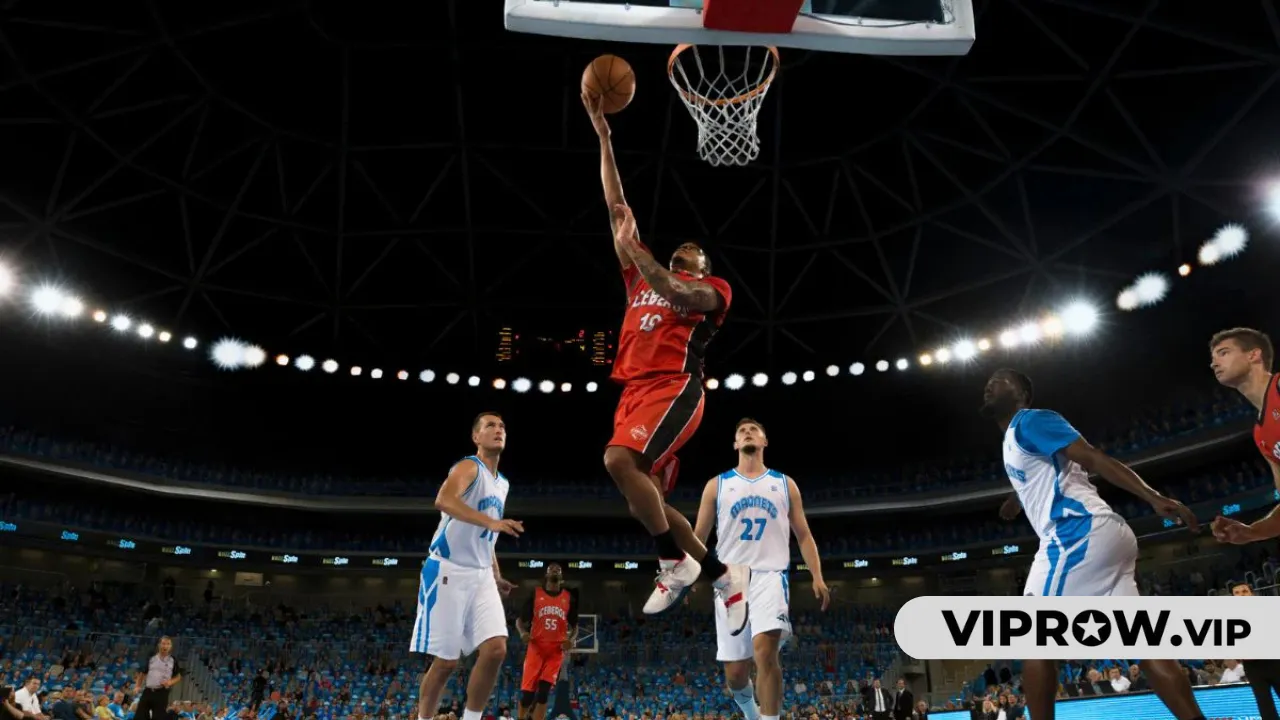
Dribbling skills separate average players from elite ones. You need to dribble without looking at the ball while reading the defense.
Why Dribble Control Matters
Strong ball handling allows you to:
- Protect the ball from defenders
- Create space for shots
- Break full-court pressure
- Set up teammates for easy scores
The best ball handlers can dribble with both hands equally well. This makes them nearly impossible to guard.
Beginner to Advanced Dribbling Progression
Start with basic dribbling and progress gradually:
- Stationary dribbling: Bounce the ball while standing still
- Two-ball dribbling: Control two balls simultaneously
- Crossover moves: Switch hands quickly
- Speed dribbles: Push the ball up court fast
- Change of direction: Use hesitation and fakes
Practice dribbling for at least 15 minutes daily. Focus on keeping the ball close to your body and staying low.
Common Dribbling Mistakes
Avoid these errors that prevent you from becoming a better player:
- Looking down: Keep your eyes up to see the court
- Weak hand neglect: Your weak hand needs equal attention
- Standing tall: Stay in a low athletic stance
- Dribbling too high: Hold on the ball with control
Mastering dribbling takes time, but it’s worth the effort. Work with a basketball coach if possible to correct bad habits early.
Improve Your Shooting Accuracy
Basketball shooting is the most important offensive skill. You can’t score without dribbling or shooting.
Proper Shooting Mechanics
Focus on these elements for good shooting:
- Hand placement: Your shooting hand under the ball, guide hand on the side
- Shooting arc: Aim for 45-50 degrees
- Follow-through: Extend your arm fully and hold your finish
- Footwork: Square your feet to the basket
LeBron James reportedly takes 1,000 shots per day during the season. That’s the level of commitment needed for real improvement.
Best Basketball Shooting Drills
These basketball shooting drills will build consistency:
Close-range form shooting: Start 3 feet from the basket, focus on perfect shooting form. Make 10 in a row before moving back.
Spot shooting: Place cones around the three-point line. Shoot 5 shots from each spot.
Catch-and-shoot: Have a teammate pass the ball to you, then shoot immediately.
Free throw practice: Shoot 25 free throws after every practice when you’re tired.
| Skill Level | Daily Shot Target | Focus |
|---|---|---|
| Beginner | 100-200 shots | Form and consistency |
| Intermediate | 200-400 shots | Range and speed |
| Advanced | 400+ shots | Game scenarios |
Track your shooting percentages weekly. This shows exactly where you’re improving.
How Many Shots Daily?
Practice shooting at least 100 quality shots per day. Quality means perfect form, game speed, and tracking makes versus misses. The best basketball players shoot until they’re exhausted, then shoot more.
Develop Lockdown Defense and Rebounding
Defense drills don’t get enough attention, but defense wins championships.
Why Defense Matters
Great defense creates offense. When you stop a defender, you create fast break opportunities for your team. Being a strong defensive player makes you valuable even on off-shooting nights.
Top Defense Training
Practice these defensive fundamentals:
- Closeout drill: Sprint to defenders, then break down into defensive stance
- Slide drill: Move laterally without crossing your feet
- 1-on-1 containment: Stay in front of your opponent and force tough shots
- Help-side rotation: Learn when to leave your man and help teammates
Defense is about effort and anticipation. Study how offensive players move and predict their next move.
Rebound Like a Champion
Rebounding requires positioning and timing:
- Box out: Make contact with the offensive player and keep them away from the basket
- Time your jump: Jump when the ball hits the rim
- Read the ball: Predict where the ball off the backboard will go
- Secure the ball: Grab it with both hands and protect it
Most rebounds are won with positioning, not jumping ability. Be aggressive and want the ball more than your opponent.
Master Footwork Fundamentals
Footwork is crucial in basketball. It improves your shooting, defense, and ability to create space.
Essential Footwork Drills
These drills will help you move better:
- Ladder drills: Improve foot speed and coordination
- Pivot drill: Practice turning without traveling
- Jab step: Create space without losing the ball
- Post moves: For players who play near the basket
Agility drills should be part of every practice. Quick feet create scoring opportunities.
Increase Your Basketball IQ
Basketball IQ means understanding the game of basketball at a deeper level.
How to Improve Game Knowledge
- Watch film: Study how NBA teams run plays
- Learn spacing: Understand where players should be on the court
- Improve shot selection: Know when to shoot the ball versus pass
- Study defenses: Recognize zone versus man-to-man
Smart players make their teammates better. Sometimes the right play is to pass the ball rather than shoot.
In-Game Decision Making
Ask yourself these questions during games:
- “Is this a good shot for me?”
- “Can I get the ball to a teammate in better position?”
- “Should I take the ball to the rim or pull up?”
Better decisions lead to better results.
Build Mental Toughness
Mental toughness separates good players from great ones. You’ll miss shots, lose games, and face criticism. How you respond determines your success.
Develop Mental Strength
- Handle mistakes: Don’t let one bad play ruin your game
- Stay confident: Believe in your preparation
- Compete through fatigue: Push when you’re tired
Visualization helps too. Before games, picture yourself succeeding in different situations.
Work With Coaches and Attend Camps
Working with a coach accelerates improvement. A basketball coach or basketball trainer who specializes in basketball can identify weaknesses you don’t see.
Basketball camps expose you to better competition and new training tips. They push you outside your comfort zone and help take your game to the next level.
Strength and Conditioning Matter
Physical fitness keeps you healthy and performing at your peak. Include strength training, sprint work, and flexibility in your routine.
A stronger, faster, more conditioned player dominates on the court. This is how you excel on the court against any competition.
Track Your Progress
Measure these metrics to see improvement:
- Shooting percentages from different spots
- Free throw percentage
- Turnovers per game
- Rebounds per game
- Assists and steals
Data shows what’s working and what needs more attention.
Common Mistakes to Avoid
Don’t make these errors that slow progress:
- Skipping fundamentals: You can’t build on a weak foundation
- Not practicing at game speed: Slow practice doesn’t translate
- Ignoring defense: Offense gets attention, but defense wins games
- No training plan: Random practice produces random results
- Giving up too soon: Improvement takes months and years, not days
Conclusion
Learning how to get better at basketball requires patience, consistency, and smart practice. Focus on the fundamentals, put in the work, and trust the process. Every great player started where you are now. Your basketball performance will improve if you stay committed. Start today, practice with purpose, and watch yourself transform into the player you want to become. That’s how you learn how to get better and truly take your game to the next level.
Keep dribbling the ball, working on your shot, and playing basketball with passion. Your dedication to becoming a great basketball player will pay off.
FAQs
How long does it take to get better at basketball?
With consistent basketball training and daily drills, most players see noticeable improvement in 4–8 weeks.
What are the best drills to get better at basketball?
Dribbling drills, basketball shooting drills, defense drills, and fundamental skill drills are the most effective.
How often should a basketball player practice?
Practicing 4–6 days per week with structured training drills helps you become a better basketball player faster.
Can I get better at basketball practicing alone?
Yes, you can practice shooting, dribble drills, and footwork drills solo to improve your basketball skills.
