


What is a size 7 basketball? A size 7 basketball is the official full-size basketball used in men’s basketball games, including the NBA and FIBA, measuring 29.5 inches in circumference. This regulation ball represents the largest standard basketball size used in competitive play worldwide.
Selecting the right size basketball affects every aspect of the game. Players who use the correct size develop better shooting techniques, improve ball control faster, and avoid unnecessary injuries. Young athletes forced to handle oversized balls often struggle with form, while adults using smaller balls miss out on building proper strength and muscle memory.
This basketball size guide breaks down everything you need to know about size 7, size 6, size 5, and other basketball sizes. Whether you’re a parent shopping for your child, a beginner starting your journey, or a coach outfitting a team, this guide will help you choose the right size for optimal performance.
What Is a Size 7 Basketball and Why It’s the Official Size
Size 7 Basketball Measurements Explained
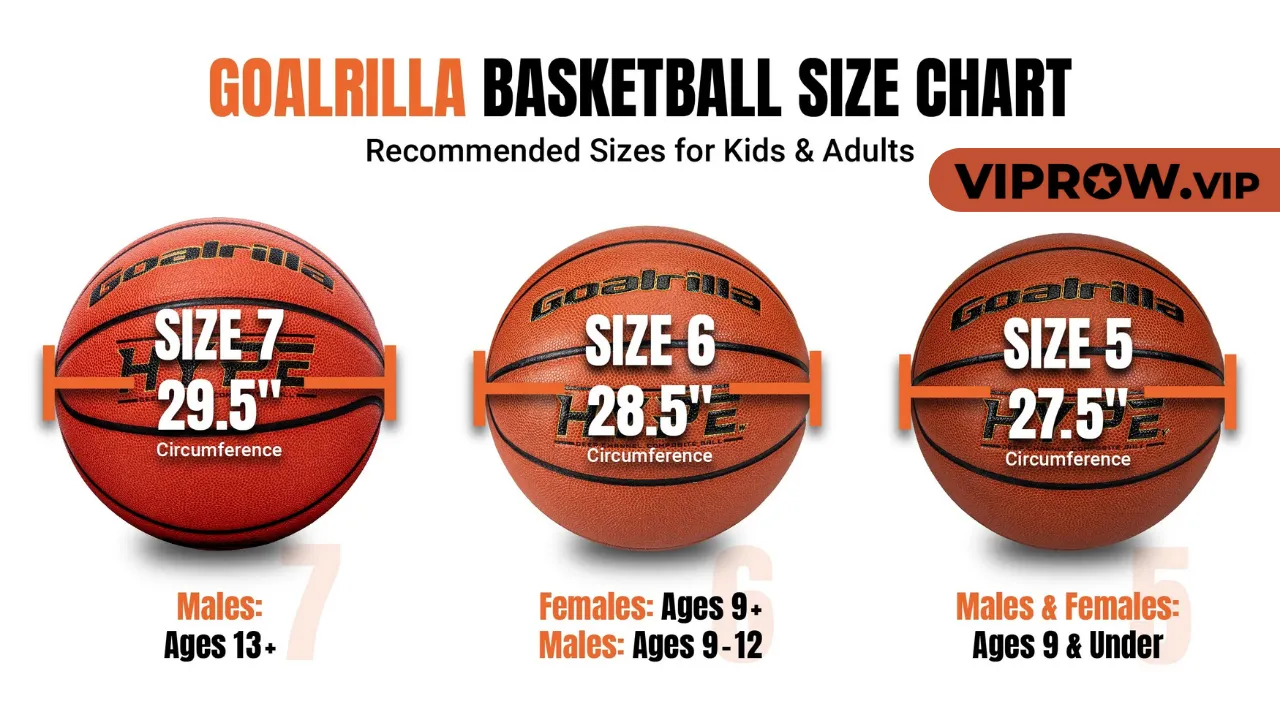
The size 7 ball has precise measurements that make it perfect for adult play. The circumference measures exactly 29.5 inches (75 centimeters), creating an ideal balance between challenge and control. This measurement isn’t random, it evolved through decades of testing to match average adult male hand proportions.
Weight standards for an official size basketball in size 7 range from 20 to 22 ounces (567-624 grams). This size and weight combination allows players to shoot accurately from long distances while maintaining control during fast-paced play. The weight of the ball directly impacts shooting arc and passing velocity.
The 29.5 inches standard became regulation because it suits adult male hands perfectly. Players can grip the ball firmly with one hand, execute spin moves, and make precise passes. This official ball size has remained unchanged for generations, proving its effectiveness.
Read more : How Long Is a Basketball Game? Average Length by League
Is a Size 7 Basketball the Same Everywhere?
The NBA mandates size 7 as the official basketball for all games. Every NBA arena uses identical specifications, ensuring players don’t need to adjust between home and away games. The consistency helps professional players maintain their shooting touch and ball handling skills throughout the season.
FIBA, which governs international basketball, also requires size 7 for men’s competitions. This includes Olympic tournaments, World Championships, and professional leagues across continents. The global standardization means a player in Europe uses the same size ball as someone competing in Asia or South America.
Minor differences appear in materials rather than measurements. The NBA historically preferred leather construction, while FIBA approved composite materials earlier. However, the core dimensions remain identical, 29.5 inches in circumference with the same weight range.
Basketball Size Guide – All Basketball Sizes Explained
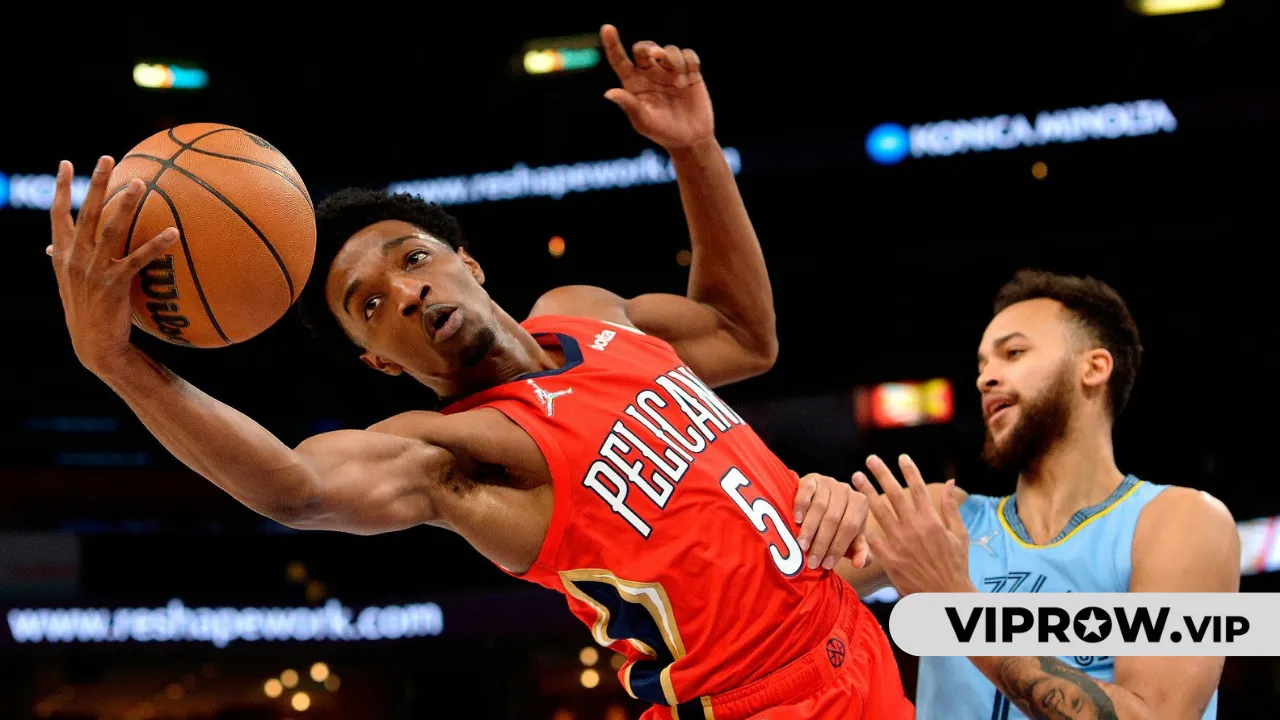
Basketball Size Chart Overview
| Ball Size | Circumference | Weight | Best For |
|---|---|---|---|
| Size 7 | 29.5 inches | 20-22 oz | Men 15+, NBA, College |
| Size 6 | 28.5 inches | 18-20 oz | Women, Youth 12-14 |
| Size 5 | 27.5 inches | 14-16 oz | Youth 9-11 |
| Size 4 | 25.5 inches | 10-14 oz | Youth 5-8 |
| Size 3 | 22 inches | 10 oz | Kids under 5 |
This basketball size chart demonstrates how ball size impacts every aspect of play. Smaller balls give younger players the ability to shoot correctly, dribble effectively, and pass accurately. As children grow stronger, they gradually move up through sizes, building skills progressively.
The size of basketball you choose shapes your shooting mechanics permanently. A ball that’s too large forces players to push rather than shoot with proper form. Meanwhile, practicing with an undersized ball doesn’t prepare you for actual game conditions at your competitive level.
Size of Basketball by Age and Level
Size 7 serves adult men in professional basketball, college and high school basketball. Players aged 15 and older with developed hands should use this regulation size basketball. The men’s ball maintains consistency whether you’re practicing alone or competing in organized basketball leagues.
Size 6 basketball is the official ball for women’s basketball and youth basketball players aged 12-14. Women’s professional basketball associations including the WNBA use 28.5 as their standard. This size for women’s accommodates typical female hand proportions while keeping the game challenging. Girls can use this size from middle school through professional careers.
Size 5 basketball works perfectly for children aged 9 through 11 years old. At 27.5 inches, this ball enables proper shooting form development. It ensures fair competition and safe participation.
Size 4 measures 25.5 inches and targets children aged 5-8. These balls help young players learn basic dribbling and shooting without fighting an oversized ball. The smaller dimensions match their developing strength and coordination.
Size 3 basketball serves the youngest players and skill training purposes. At 22 inches, these balls introduce toddlers and preschoolers to the game of basketball safely. They’re also used in specialized drills for all ages.
Mini basketball options exist primarily for fun, promotions, or novelty use rather than serious practice. These tiny balls don’t follow official sizing standards.
Size 7 vs Size 6 Basketball ( Key Differences )
Size 6 and 7 Comparison
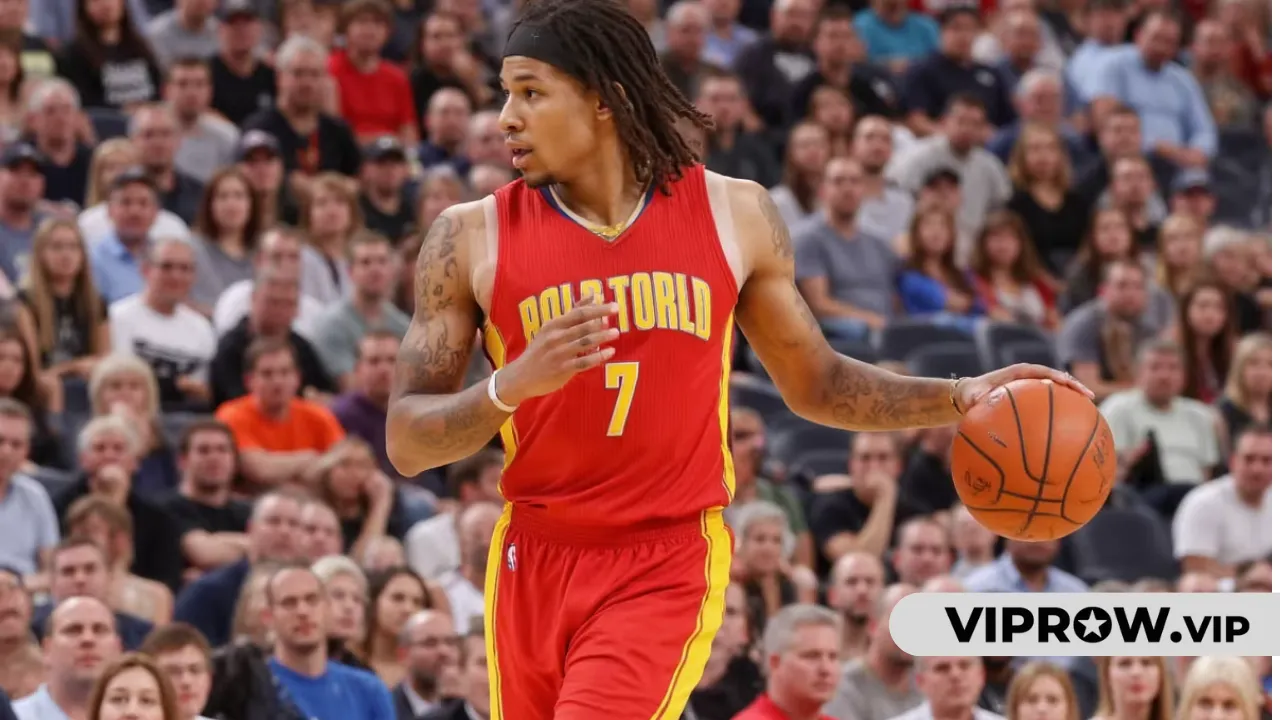
The gap between size 6 and size 7 might seem small, but this difference transforms the playing experience. Size 7 measures 29.5 inches, while size 6 comes in at 28.5 inches. That single inch changes grip requirements, shooting mechanics, and overall ball control.
Weight variations matter equally. The heavier ball of size 7 demands more strength for long-range shooting, while the lighter ball of size 6 allows easier shooting but requires adjustment when transitioning upward. Players moving between these sizes notice immediate differences in how the ball feels during dribbling and passing.
Hand size determines which size feels natural. Adult male hands typically span 8-10 inches, making size 7 comfortable to palm and control. Players with smaller hands, including most women and youth athletes, find size 6 more manageable. The right-sized ball prevents hand strain and enables proper technique development.
Should You Use Size 6 or Size 7?
Players transitioning between leagues face sizing decisions. Young male athletes moving from boys and girls youth basketball to high school basketball must adapt to size 7. This transition usually happens around age 14-15, aligning with growth spurts and increased strength. The adjustment period typically lasts a few weeks of regular practice.
Women’s basketball players remain with size 6 throughout their careers, from youth through professional levels. Female players don’t need to switch to size 7 unless they’re doing specialized strength training. The size 6 remains the official size for all levels of competitive women’s play.
Training with different sizes can accelerate development. Some coaches have players occasionally practice with a heavier ball (size 7) even if they compete with size 6. This strengthens hands and makes the regulation ball feel lighter during games. However, this approach requires careful monitoring to prevent form breakdown.
Why Basketball Size Matters in Performance
Impact of Ball Size on Performance
Shooting accuracy depends on using the right size basketball. When players use an age appropriate ball, they achieve proper shot mechanics naturally. The ball should rest comfortably in the shooting hand with fingertips controlling release and spin. Wrong sizing forces compensations that become permanent bad habits.
Ball handling and control become nearly impossible with the wrong size ball. Younger players attempting to dribble oversized balls often slap at it rather than controlling with fingertips. This creates technique flaws that persist even after moving to the correct size ball. The right ball allows players to focus on skill refinement instead of fighting equipment.
Passing and rebounding require confident ball control. Players must securely grip the ball to throw accurate passes or grab rebounds in traffic. The correct basketball size ensures players can execute these fundamental skills without struggling to hold onto the ball.
Injury Prevention and the Correct Basketball Size
Using the right size basketball reduces physical strain on developing bodies. Young athletes forced to handle oversized balls put excessive stress on finger joints, wrists, and forearms. This stress accumulates over time, potentially causing chronic pain or permanent damage. The right basketball size matches current physical capabilities, allowing safe practice sessions.
Youth basketball safety extends beyond preventing acute injuries. Long-term athletic development requires building strength gradually. Children using age appropriate sizes can practice for hours without overloading growing bones and joints. This sustainable approach builds skills while protecting future health.
Medical research shows that using a basketball sized correctly for the player reduces injury rates significantly. Athletes using regulation sizes for their age group report fewer hand, wrist, and shoulder problems compared to those using incorrect sizes. The basketball is important not just for performance but for long-term player health.
Choosing the Right Basketball Size for Your Needs
How to Choose the Right Size Basketball
Age provides the primary guideline for basketball size selection. The standard recommendations align with typical physical development patterns. A 10-year-old should use size 5, while a 15-year-old male moves to size 7. These guidelines work for most players, though individual variations exist.
Skill level influences decisions less than physical development. Advanced young players with exceptional hand size might move to the next size earlier than peers. However, this should only happen if the player maintains proper form with the larger ball. Rushing the transition creates more problems than it solves.
League or recreational play determines whether you need an official ball. Competitive basketball leagues require specific sizes for fairness and consistency. Recreational players have more flexibility but still benefit from using age appropriate sizes. Even casual play develops better with the right ball size.
Basketball Should I Buy? Key Questions to Ask
Indoor vs outdoor use affects material choice more than size. An indoor basketball typically uses leather or composite materials for superior grip on smooth courts. An outdoor basketball needs rubber construction to withstand rough surfaces. However, the circumference remains constant regardless of where you play basketball.
Competitive versus casual play determines quality needs. The official basketball for league play requires premium materials and construction. Casual shooters can select budget options without sacrificing performance. However, size should remain constant. Competitive player needs size 7, not a smaller size.
Materials Used in a Size 7 Basketball
Leather Basketball (Professional Standard)
The leather basketball represents the gold standard for serious players. Professional leagues use genuine leather ball options for superior grip and feel. The NBA game ball, now manufactured by Wilson, uses premium leather construction meeting exact specifications.
Leather basketball options require a break-in period. New balls feel slippery and hard initially. Players must use them repeatedly to soften the leather and enhance grip. Proper care includes storing away from extreme temperatures and avoiding outdoor use on rough surfaces.
Composite Basketball
Composite basketball materials blend synthetic components to mimic leather performance at lower cost. These balls work excellently for indoor basketball courts, offering consistent grip without extensive breaking in. The composite construction combines durability with professional-level performance characteristics.
This standard basketball option suits serious players who practice frequently on indoor courts. College and high school teams often choose composite because it maintains consistent performance throughout its lifespan while costing significantly less than genuine leather.
Rubber Basketball
Rubber basketball construction dominates outdoor play. The made of rubber design withstands concrete and asphalt surfaces that would destroy leather quickly. A quality outdoor basketball can last years of regular outdoor use while maintaining proper shape and bounce.
Grip patterns on rubber balls feature deeper channels and aggressive textures. This maintains control even when dusty or slightly damp. The rubber basketball remains the practical choice for players who primarily use outdoor courts or driveways.
Conclusion
A size 7 basketball serves as the standard basketball size for adult men worldwide. From the NBA to FIBA competitions to recreational leagues, this 29.5 inches ball remains constant. The official ball measurements ensure consistency across all levels of men’s basketball.
Choosing the right basketball size matters more than most players realize. The correct basketball size enables proper skill development, prevents injuries, and makes practice more enjoyable. Whether you’re buying for youth leagues or personal use, consult this basketball size guide and basketball size chart before purchasing.
Remember that the right basketball matches your age, strength, and competitive level. Don’t rush to larger sizes too quickly, but don’t stay with smaller balls longer than necessary. The perfect size basketball helps you choose the right equipment for your current needs, setting you up for success on the court. Quality basketball equipment starts with selecting the proper ball, making every practice session more productive and every basketball game more enjoyable.
FAQs
Is Size 7 the Same as Men’s Basketball?
Yes, size 7 is the official men’s basketball used in professional and collegiate play, measuring 29.5 inches in circumference and weighing 22 ounces.
Can Beginners Use a Size 7 Basketball?
Adult male beginners can use size 7 to learn proper form, though some may find a size 6 easier initially for developing shooting technique and ball control.
Is 29.5 Inches Too Big for Casual Players?
Not if you’re an adult male, size 7 works fine for casual pickup games and recreational play, though smaller sizes are available if you prefer lighter handling.
What’s the Difference Between 28.5 and 29.5 Inches?
Size 6 (28.5″) is lighter and smaller, designed for women and youth players, while size 7 (29.5″) is larger and heavier, made for adult men.
